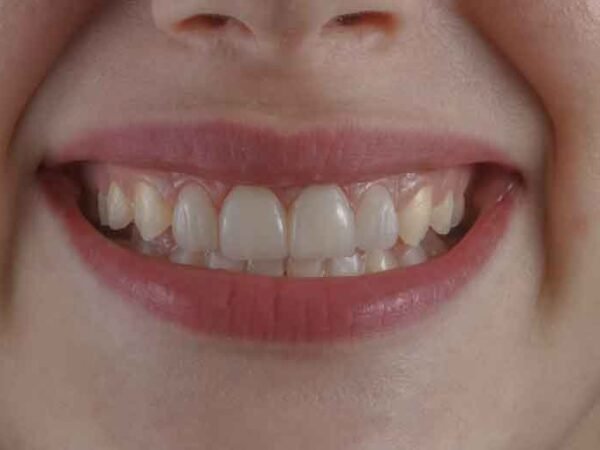



The teenage years? They’re complicated enough without having to worry about your smile. During this already transformative phase, physical appearance takes on outsized importance as adolescents navigate tricky social dynamics and figure out who they’re becoming. Orthodontic issues, whether it’s misaligned teeth, an overbite, or noticeable gaps, can really affect how teens see themselves and how comfortable they feel around their peers. What research tells us is pretty clear: teenagers dealing with orthodontic concerns often struggle with confidence, which shows up in ways like smiling less, staying quiet in class, or holding back in social situations.
Understanding the Optimal Timing for Orthodontic Intervention
There’s actually a science to timing when it comes to orthodontic care. The American Association of Orthodontists suggests kids get their first orthodontic checkup by age seven, though most active treatment happens during the teenage years. Why so early? Because early assessment lets orthodontic professionals spot potential problems before they snowball into something more complex that’ll require extensive treatment down the road. This proactive approach means specialists can keep an eye on jaw growth, how teeth are coming in, and bite development throughout childhood and into those early teen years.
The Psychological Impact of Untreated Orthodontic Issues
Teenagers dealing with orthodontic challenges without treatment often develop workarounds that hide their insecurities without actually solving the problem. You’ve probably seen it, teens with misaligned or crowded teeth who’ve become self-conscious about smiling, covering their mouths when they laugh or ducking out of photos. This pattern of behavior can leave lasting psychological marks that stick around long after the teenage years end. What studies have shown is concerning: teens with untreated orthodontic issues may withdraw socially, avoid activities that involve public speaking, and even face academic setbacks rooted in diminished confidence.
Modern Orthodontic Options Designed for Teen Lifestyles
Today’s orthodontic world looks dramatically different than it did even a decade ago, with treatment options specifically designed around teenage needs and concerns. Traditional metal braces have gotten a serious upgrade, they’re now smaller, more comfortable, and come with colorful elastic options that let teens show off their personality. Clear ceramic braces offer a less noticeable option while still delivering comprehensive orthodontic correction. For the right cases, clear aligner systems provide removable, almost invisible treatment that really appeals to image-conscious teenagers who want discretion during their orthodontic journey.
Long-Term Benefits beyond Aesthetic Improvements
Sure, the confidence boost from an improved smile is huge, but the advantages of early orthodontic care reach way beyond cosmetic improvements. Properly aligned teeth actually work better for biting, chewing, and speaking, which contributes to better overall oral health throughout life. Straight teeth are significantly easier to clean effectively, cutting down the risk of cavities, gum disease, and other dental problems that crop up in those hard, to-reach areas of misaligned teeth. When evaluating orthodontic needs, parents often consult with a pediatric dentist in Chula Vista to ensure comprehensive assessment of their teen’s oral development. Correcting bite issues during the teenage years prevents excessive wear on tooth enamel, takes strain off jaw muscles, and can prevent or alleviate temporomandibular joint disorders that cause chronic pain. Early orthodontic intervention can even address breathing and sleep issues related to jaw positioning, improving overall health and energy levels during the day. These functional improvements work hand-in-hand with the aesthetic benefits, giving teens comprehensive oral health advantages that support their wellbeing for decades. The investment in early orthodontic care really does deliver returns in both immediate confidence and lifelong health benefits.
Building Confidence Through Proactive Dental Care
There’s something powerful about addressing orthodontic needs during the teenage years, it sends a clear message to adolescents about valuing self-care and proactive health management. When families make orthodontic treatment a priority, teens absorb the lesson that investing in their health and wellbeing matters and is worthwhile. The orthodontic treatment process itself builds character in ways you might not expect, teaching teenagers about commitment, patience, and delayed gratification as they work steadily toward their goals. Regular orthodontic appointments help establish positive dental care habits that typically stick around into adulthood, promoting lifelong oral health awareness.
Conclusion
Early orthodontic care stands as a powerful investment in a teenager’s psychological wellbeing, social development, and long-term oral health. By tackling orthodontic concerns during these formative years, families give their teens the confidence to fully participate in academic, social, and extracurricular activities without worrying about their smiles. The combination of modern treatment options, optimal developmental timing, and comprehensive health benefits makes early orthodontic intervention a decision that keeps paying dividends throughout a lifetime. When teenagers can smile confidently, they open themselves up to opportunities, relationships, and experiences that genuinely shape their futures, making orthodontic care an essential piece of supporting adolescent development and success.